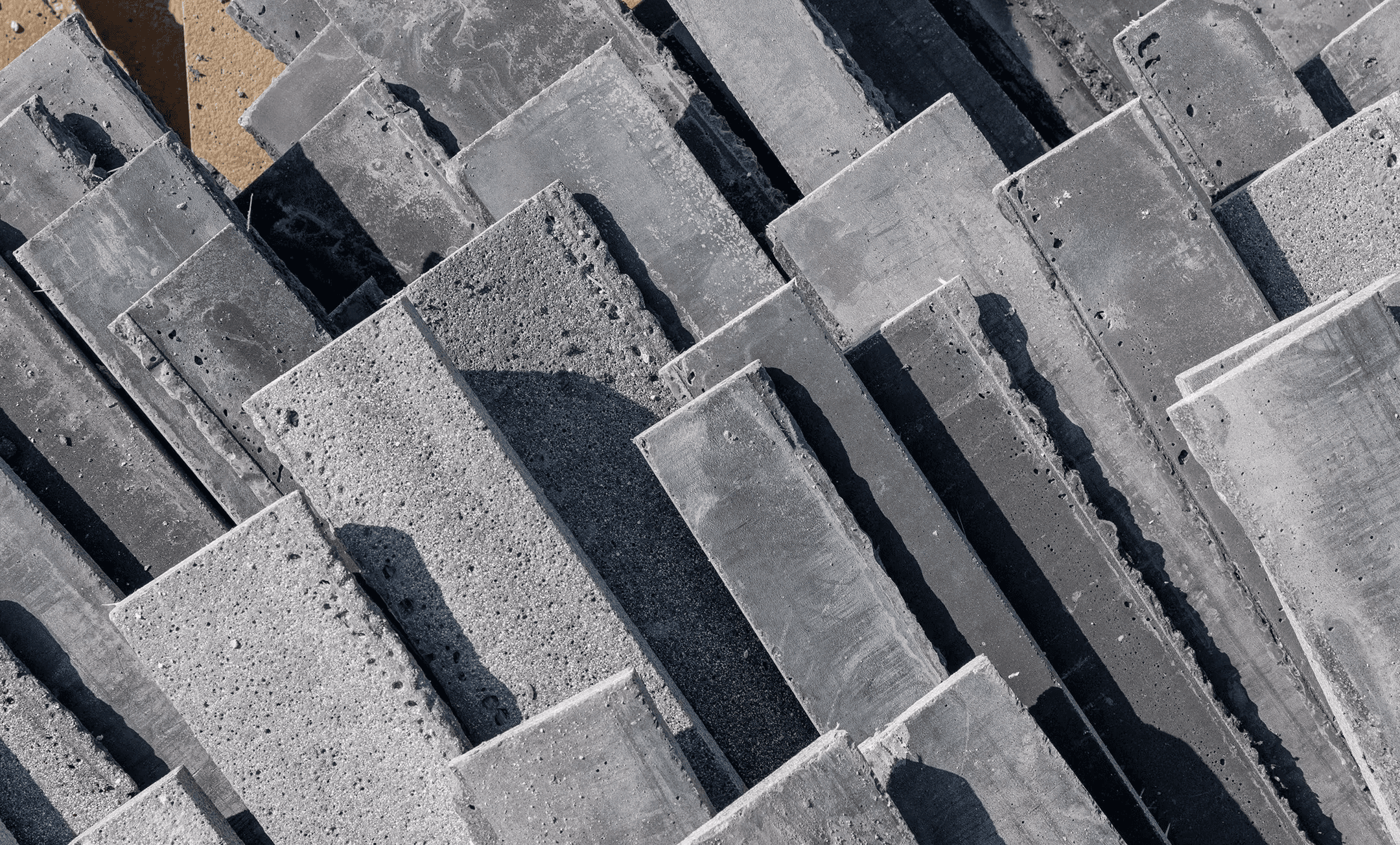
Concrete is alive
Concrete is alive
The material fibreC
fibreC is a glassfibre reinforced concrete that combines the advantages of both materials. The technical characteristics, the quality, and the longevity facilitate versatile and avant-garde applications of a natural product. Thanks to its dense, fibre-reinforced matrix, fibreC offers strength and durability comparable to UHPC – while remaining lightweight and sustainable. Rieder has set itself ambitious goals: the company is to produce and operate in a CO2-neutral manner in the coming years.

The material fibreC
fibreC is a glassfibre reinforced concrete that combines the advantages of both materials. The technical characteristics, the quality, and the longevity facilitate versatile and avant-garde applications of a natural product. Thanks to its dense, fibre-reinforced matrix, fibreC offers strength and durability comparable to UHPC – while remaining lightweight and sustainable. Rieder has set itself ambitious goals: the company is to produce and operate in a CO2-neutral manner in the coming years. And this claim is naturally also reflected in the products. The smaller the footprint, the more Rieder improves the architecture.
Characteristics
concrete skin withstands extreme loads with enormous panel sizes. Due to their robust properties, the panels are weather-resistant and have a long service life.
All Rieder products have always been free of crystalline silicon dioxide (< 1 M.-%) and are proven to be environmentally friendly.
fibreC sets no limits for designers and planners and meets the demands of modern architecture with unusual and complex design variations (colors, textures, surfaces, printing, perforation, blasting, embossments and shapes). Currently Rieder is offering a product range with 28,500 different combinations.
Concrete is a natural product and is regarded as such by Rieder. All facades made of fibreC have an individual character: vibrant surfaces with an interplay of color shadings and cloud effects instead of artificial uniformity.
fibreC is dyed throughout with iron oxide pigments and natural additives. The natural, hence authentic, colors blend well into landscapes and correspond with nature and the environment.
For the product, Rieder uses raw materials that originate from nature. Glassfibre reinforced concrete ensures absolute fire resistance due to its excellent thermal properties (fire protection class A1 “non-flammable” according to DIN 4102).
Due to the reinforcement with glass fibres, fibreC can withstand extremely high loads with a thickness of only 13 mm and a calculated service life of more than 50 years – offering strength and durability comparable to UHPC.
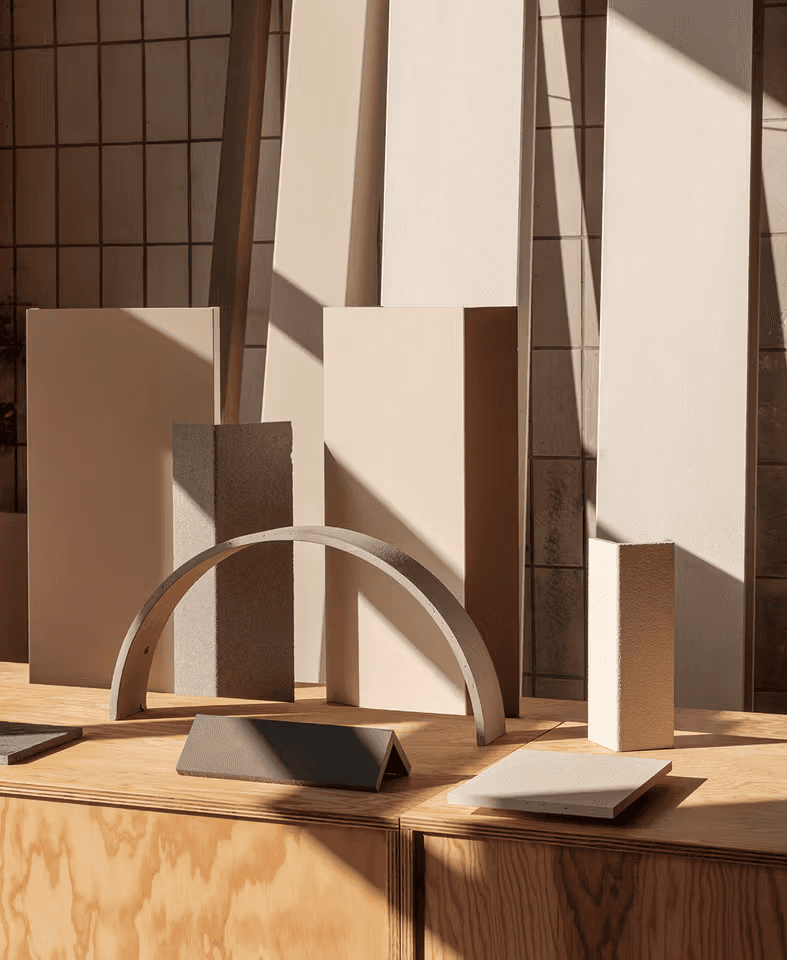
The ability to bend and form panels opens up new possibilities for design with concrete. formparts are tailor-made as single pieces and create monolithic facades with smooth jointing.
concrete skin withstands extreme loads with enormous panel sizes. Due to their robust properties, the panels are weather-resistant and have a long service life.
fibreC is dyed throughout with iron oxide pigments and natural additives. The natural, hence authentic, colors blend well into landscapes and correspond with nature and the environment.
All Rieder products have always been free of crystalline silicon dioxide (< 1 M.-%) and are proven to be environmentally friendly.
For the product, Rieder uses raw materials that originate from nature. Glassfibre reinforced concrete ensures absolute fire resistance due to its excellent thermal properties (fire protection class A1 “non-flammable” according to DIN 4102).
fibreC sets no limits for designers and planners and meets the demands of modern architecture with unusual and complex design variations (colors, textures, surfaces, printing, perforation, blasting, embossments and shapes). Currently Rieder is offering a product range with 28,500 different combinations.
Due to the reinforcement with glass fibres, fibreC can withstand extremely high loads with a thickness of only 13 mm and a calculated service life of more than 50 years – offering strength and durability comparable to UHPC.
Concrete is a natural product and is regarded as such by Rieder. All facades made of fibreC have an individual character: vibrant surfaces with an interplay of color shadings and cloud effects instead of artificial uniformity.
The ability to bend and form panels opens up new possibilities for design with concrete. formparts are tailor-made as single pieces and create monolithic facades with smooth jointing.

Vibrant colors
Variety of shapes
Rieder Concrete Lab



Mission Future
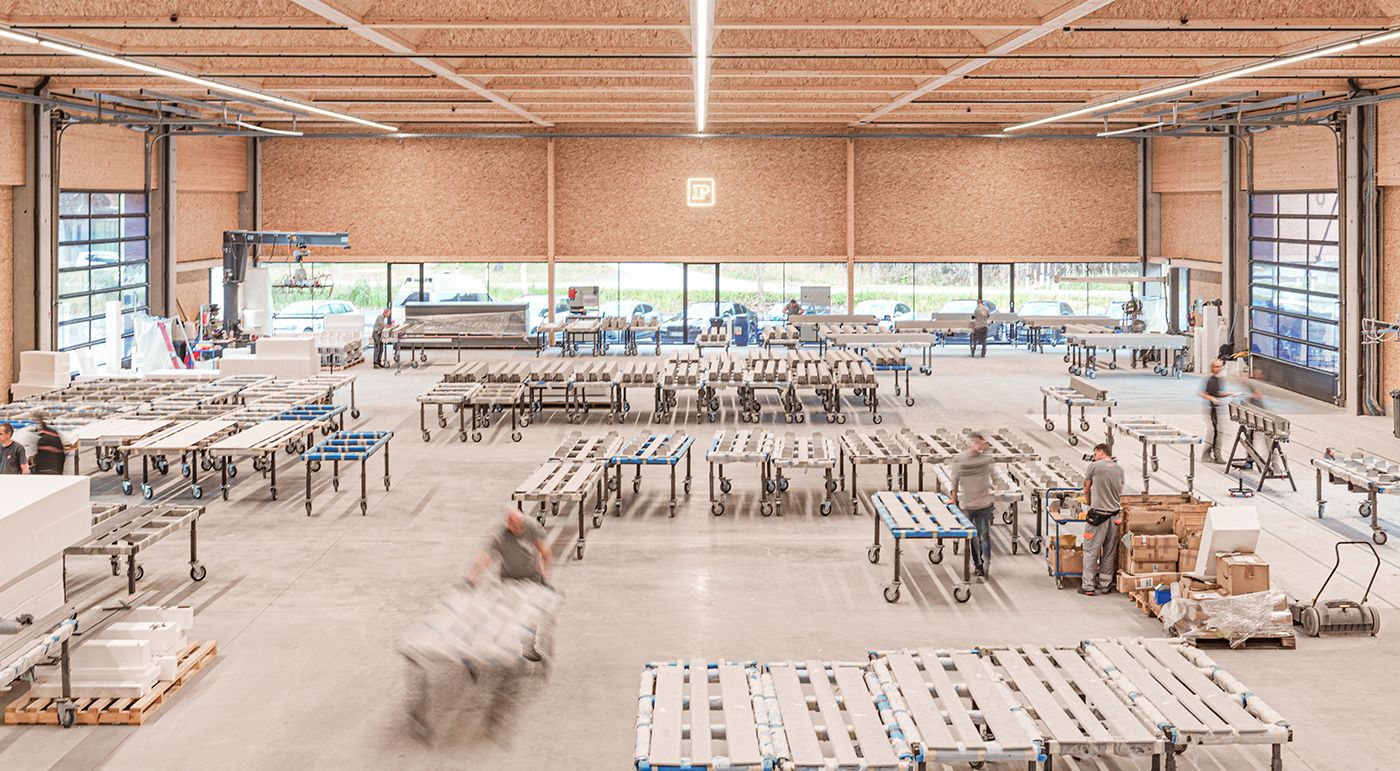
Rieder combines functionality, aesthetics, and intelligence on the facade and wants to make an active contribution to the energy revolution through continuous research and development of the products and production processes. By 2030, Rieder wants to reduce the primary energy requirements by 40 percent and the global warming potential by 50 percent. To this end the company is optimizing production processes, supply chains and energy consumption.
13mm thickness

fibreC concrete matrix 3.0
On its way to climate neutrality, Rieder developed Matrix 3.0, a CO₂- reduced material for sustainable facade elements. 50% of the conventional cement was replaced by local natural pozzolana. The rock flour, which has been used in the construction of buildings since ancient times, has excellent properties in terms of structural density and hardening. The cement substitution allows a CO₂ reduction of 30% compared with Matrix 2.2 and a reduction of 23% for the facade elements. It represents the preliminary stage to cement-free production.
fibreC concrete matrix 3.0
On its way to climate neutrality, Rieder developed Matrix 3.0, a CO₂- reduced material for sustainable facade elements. 50% of the conventional cement was replaced by local natural pozzolana. The rock flour, which has been used in the construction of buildings since ancient times, has excellent properties in terms of structural density and hardening. The cement substitution allows a CO₂ reduction of 30% compared with Matrix 2.2 and a reduction of 23% for the facade elements. It represents the preliminary stage to cement-free production.
Ecological indicators
Ecological indicators


LCA methodology was developed to provide an objective assessment. It is regulated in the DIN EN ISO 14040 standard. The following eco-indicators have been determined on the basis of this standard. This enables the ecological choice of building materials to be based on scientific findings. All material and energetic contributions of the individual processes involved in the production of a facade panel were considered. These include the extraction of resources, the provision of energy and the manufacturing processes of the required products. Emissions to air, water and soil were determined as part of the impact assessment. Listed below are three equivalence factors (environmental indicators):
LCA methodology was developed to provide an objective assessment. It is regulated in the DIN EN ISO 14040 standard. The following eco-indicators have been determined on the basis of this standard. This enables the ecological choice of building materials to be based on scientific findings. All material and energetic contributions of the individual processes involved in the production of a facade panel were considered. These include the extraction of resources, the provision of energy and the manufacturing processes of the required products. Emissions to air, water and soil were determined as part of the impact assessment. Listed below are three equivalence factors (environmental indicators):


Our Products
Our Products

The 13 mm thin facade panels are also available in oversize and create a uniform building envelope.
The 13 mm thin facade panels are also available in oversize and create a uniform building envelope.
The 13 mm thin facade panels are also available in oversize and create a uniform building envelope.
The 13 mm thin facade panels are also available in oversize and create a uniform building envelope.
The narrow facade slats generate a lively image with different surfaces in just one color tone.
The narrow facade slats generate a lively image with different surfaces in just one color tone.
The narrow facade slats generate a lively image with different surfaces in just one color tone.
The narrow facade slats generate a lively image with different surfaces in just one color tone.

The 3D elements not only impart a unique design character but also serve as sophisticated visual and sun protection.
The 3D elements not only impart a unique design character but also serve as sophisticated visual and sun protection.
The 3D elements not only impart a unique design character but also serve as sophisticated visual and sun protection.
The 3D elements not only impart a unique design character but also serve as sophisticated visual and sun protection.