BIOS Teeside University
BIOS Teeside University
BIOS Teeside University

Product
concrete skin
,
Area
2100
m2
Colour
polar white
,
Texture
standard
,
Surface
matt
,
Architect
FaulknerBrowns Architects
Partner
Pura Facades
Year
Location
Middlesbrough
State-of-the-Art Research Facility
State-of-the-Art Research Facility
State-of-the-Art Research Facility
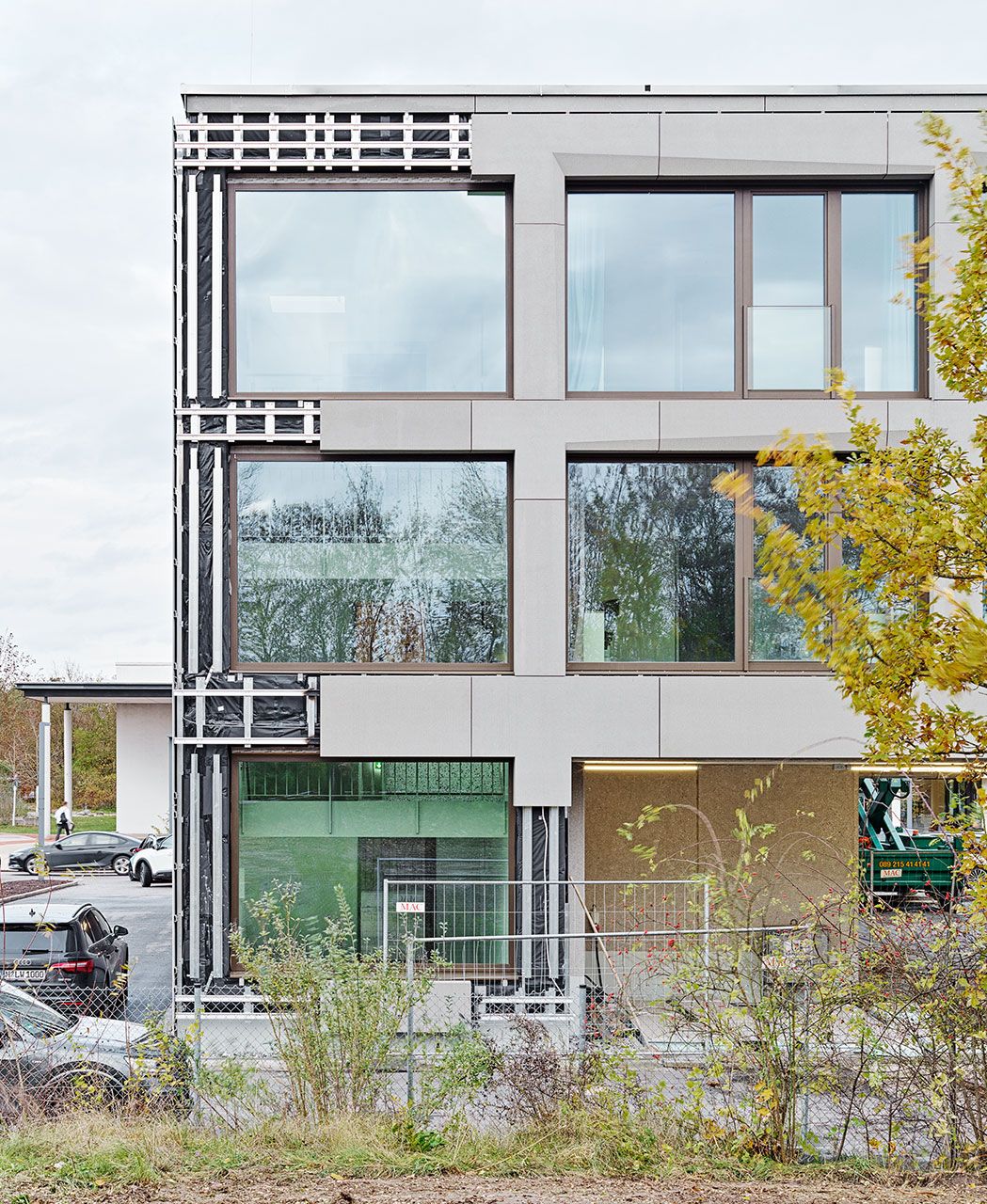
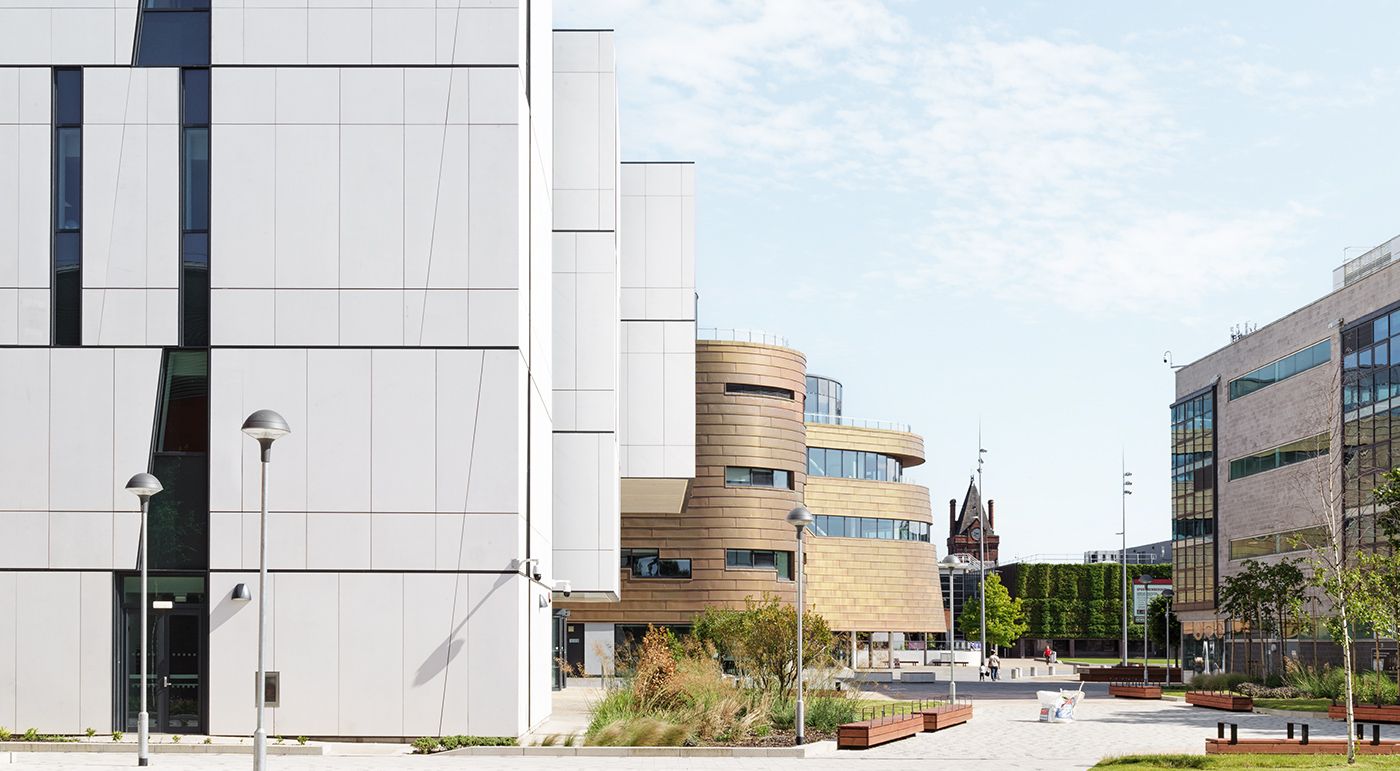
Teesside University has added a new BIOS building as an extension to its School of Health & Life Sciences. The focus is on natural sciences and clinical disciplines like anatomy, pharmacy, microbiology, and chemistry. The four-story, 5,000 m² complex includes laboratories, research rooms, medical teaching spaces, and more. The high-quality and flexible construction was designed to require minimal maintenance over its planned lifespan. It’s no surprise, then, that the chosen facade material was concrete skin panels. The glassfibre reinforced concrete elements impressed the architects with their robust, durable, and low-maintenance properties. Photos: Ditz Fejer
Teesside University has added a new BIOS building as an extension to its School of Health & Life Sciences. The focus is on natural sciences and clinical disciplines like anatomy, pharmacy, microbiology, and chemistry. The four-story, 5,000 m² complex includes laboratories, research rooms, medical teaching spaces, and more. The high-quality and flexible construction was designed to require minimal maintenance over its planned lifespan. It’s no surprise, then, that the chosen facade material was concrete skin panels. The glassfibre reinforced concrete elements impressed the architects with their robust, durable, and low-maintenance properties. Photos: Ditz Fejer
Teesside University has added a new BIOS building as an extension to its School of Health & Life Sciences. The focus is on natural sciences and clinical disciplines like anatomy, pharmacy, microbiology, and chemistry. The four-story, 5,000 m² complex includes laboratories, research rooms, medical teaching spaces, and more. The high-quality and flexible construction was designed to require minimal maintenance over its planned lifespan. It’s no surprise, then, that the chosen facade material was concrete skin panels. The glassfibre reinforced concrete elements impressed the architects with their robust, durable, and low-maintenance properties. Photos: Ditz Fejer