University of Calgary
University of Calgary
University of Calgary

Product
formparts sharp-edged
,
concrete skin
,
Area
1700
m2
Colour
sandstone
,
Texture
standard
,
Surface
ferro
,
Architect
GGA Architects
Partner
Sound Solutions
Year
Location
Calgary

Social Sciences
Social Sciences
Social Sciences
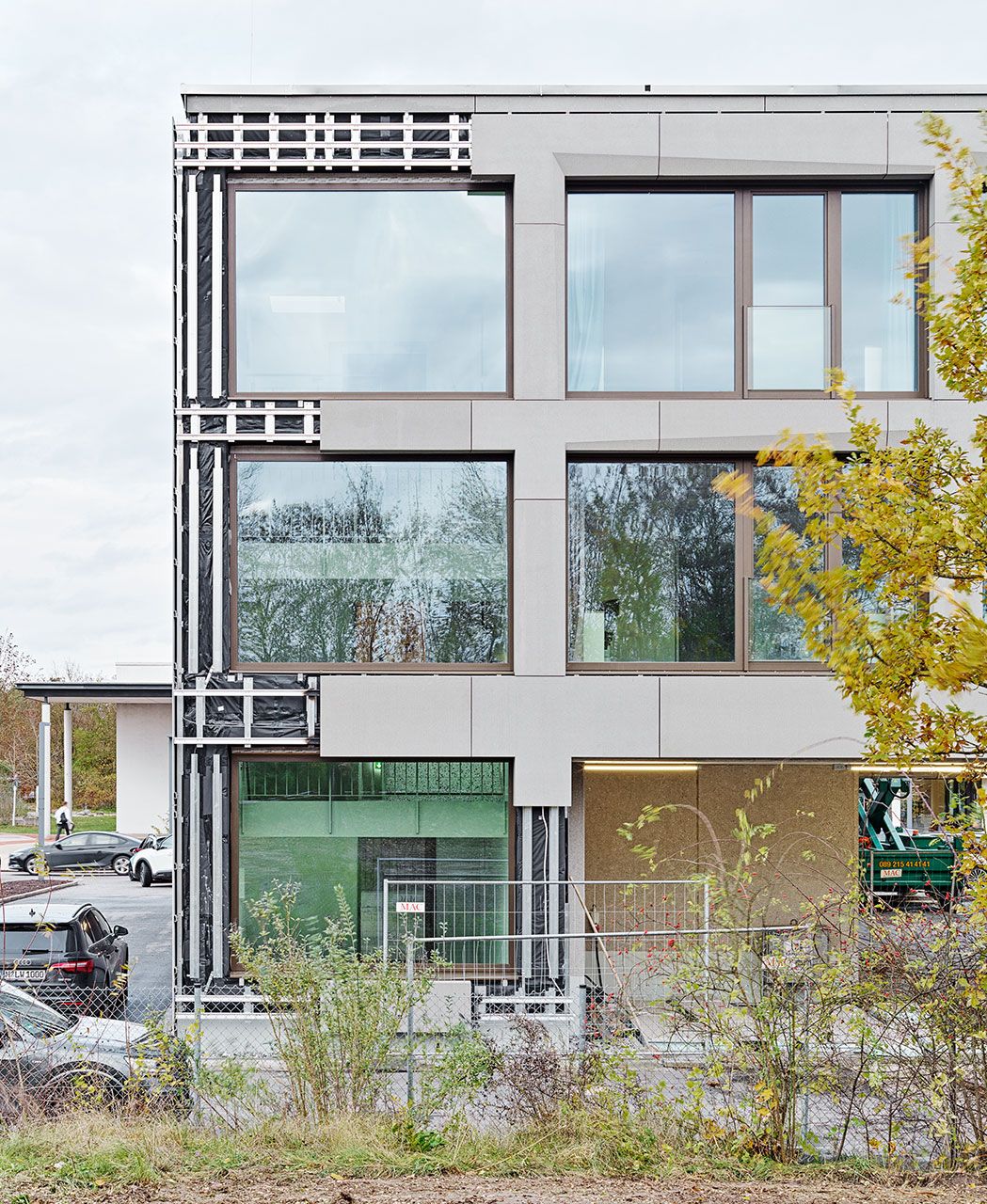
The Social Science building at the University of Calgary received a new facade cladding — a bespoke solution tailored to the architects' specific requirements. The U-shaped formparts were installed "upside down" to enable the mounting of solar panels. Consequently, they were manufactured with the visible side facing inwards. In total, nearly 2,000 m² of concrete skin panels and formparts in the colour sandstone were used. The redesign of the building combines sustainability with thoughtful design. The integrated photovoltaic system generates 225 kilowatts of electricity, covering 90% of the building's energy needs. Photos: Ditz Fejer
The Social Science building at the University of Calgary received a new facade cladding — a bespoke solution tailored to the architects' specific requirements. The U-shaped formparts were installed "upside down" to enable the mounting of solar panels. Consequently, they were manufactured with the visible side facing inwards. In total, nearly 2,000 m² of concrete skin panels and formparts in the colour sandstone were used. The redesign of the building combines sustainability with thoughtful design. The integrated photovoltaic system generates 225 kilowatts of electricity, covering 90% of the building's energy needs. Photos: Ditz Fejer
The Social Science building at the University of Calgary received a new facade cladding — a bespoke solution tailored to the architects' specific requirements. The U-shaped formparts were installed "upside down" to enable the mounting of solar panels. Consequently, they were manufactured with the visible side facing inwards. In total, nearly 2,000 m² of concrete skin panels and formparts in the colour sandstone were used. The redesign of the building combines sustainability with thoughtful design. The integrated photovoltaic system generates 225 kilowatts of electricity, covering 90% of the building's energy needs. Photos: Ditz Fejer